Introduction
Navigating the globe of ostomies can feel frustrating, and comprehending the terminology associated with them is vital for people, caretakers, and medical care experts alike. In this extensive overview, we will certainly discover what an ostomy stoma is, delve into the various kinds of ostomies, discuss ostomy care training options offered for caretakers, and demystify the complexities surrounding bowel care management. This article aims to supply clearness on a topic that affects several lives while ensuring that you walk away with a much deeper understanding of just how to look after somebody with an ostomy. So, allow's dive right in!
What is an Ostomy Stoma?
An ostomy stoma describes an operatively produced opening in the abdomen that attaches a portion of the intestine or urinary system to the beyond the body. This procedure is frequently required as a result of clinical problems like cancer, inflammatory bowel illness (IBD), or injury. The stoma serves as a substitute exit point for waste when normal elimination paths are compromised.
Types of Ostomies
Colostomy
A colostomy involves bringing part of the colon via the stomach wall surface. It may be temporary or permanent and is commonly shown for conditions impacting the lower intestinal tract.
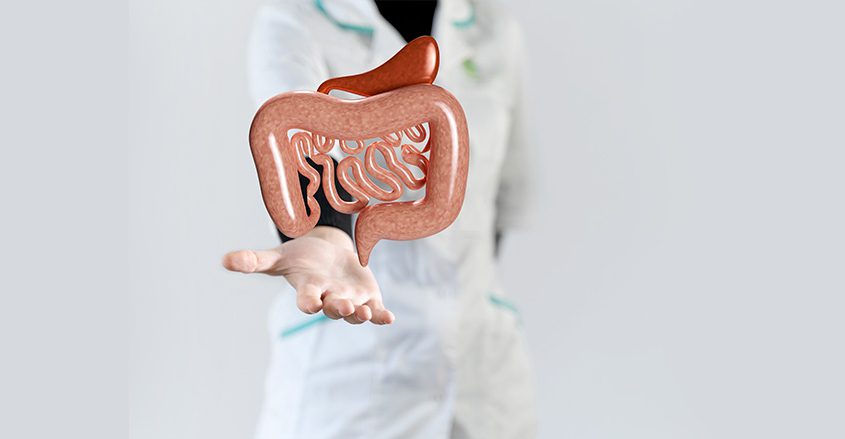
Ileostomy
In an ileostomy, an area of the ileum (the tail end of the tiny intestinal tract) is brought out to develop a stoma. This kind is usually permanent and might be needed for extreme bowel diseases.
Check out this site
Urostomy
A urostomy involves developing a stoma from sections of the urinary tract. It's largely carried out for people that have bladder problems or have had their bladder removed.
What Does Ostomy Care Entail?
Ostomy care includes managing hygiene, protecting against skin irritability around the stoma, and guaranteeing correct pouching systems are utilized. Caretakers play a necessary function in this procedure; for this reason they must participate in specialized training.
Importance of Stoma Care Training for Carers
Training caregivers in stoma care is crucial for making sure both person convenience and wellness outcomes. Correct education and learning on how to manage an ostomy can significantly reduce issues like infections or skin breakdown.
Stoma Treatment Training Programs Available
Basic Stoma Care Courses- These programs cover fundamental elements like cleansing techniques and pouch changes.
- Focused on complex situations needing much deeper understanding regarding different kinds of pouches and certain skin treatment products.
- Tailored programs under Australia's National Disability Insurance policy System (NDIS) concentrating on taking care of complicated digestive tract needs effectively.
Who Demands Ostomy Care Training?
Anyone associated with taking care of people with ostomies must undergo training. This includes relative, professional caretakers, registered nurses, and even volunteers within area settings.
Benefits of Quality Training
- Enhanced knowledge results in boosted patient outcomes. Increased confidence in managing emergencies. Better psychological support offered by qualified caregivers.
Complex Bowel Care: Comprehending Its Necessity
The term "complex bowel care" encompasses a range of techniques targeted at assisting individuals handle their bowel wellness successfully.
Components of Complex Bowel Care Management
Assessment- Regular evaluations are vital for tracking any changes in bowel practices or health.
- Each person might require customized methods based upon their one-of-a-kind needs.
- Knowledge regarding nutritional adjustments can dramatically influence bowel health.
Caring for an Ostomy: A Step-by-Step Guide
Successfully looking after someone with an ostomy needs persistance and knowledge concerning day-to-day routines:
Daily Cleansing Routine- Gentle cleaning around the stoma to avoid infections.
- Recommendations recommend changing pouches every 3-7 days depending on variables like output and skin condition.
- Adapting diet regimen according to individual tolerance degrees can assist take care of outcome consistency.
FAQs Concerning Ostomies and Stomas
What is a stoma? A stoma is an artificial opening developed surgically that allows waste to exit the body when normal courses are not functional.
How long does it require to recuperate from ostomy surgery? Recuperation time varies per individual however typically ranges from 6-8 weeks post-surgery.
Can I live usually after getting an ostomy? Yes! Many people lead meeting lives after acquiring an ostomy with proper monitoring and support.

Is there specialized training available for caregivers? Absolutely! Numerous programs focus specifically on training essential skills related to stoma care management.
Will I need recurring assistance after my surgery? Many individuals take advantage of continuous follow-ups with doctor focusing on ostomy care even after recovery.
What must I do if there's leak around my pouch? Evaluate your bag fit quickly; think about transforming your device or consulting your doctor if leakages persist.
Conclusion
Understanding what an ostomy stoma is and how it can influence day-to-day live is critical-- not simply for those living with one however likewise for their caretakers and enjoyed ones associated with their treatment trip. With ideal training-- like NDIS complex bowel care training-- caretakers can supply efficient assistance while fostering self-reliance amongst those they assist.
As we've checked out throughout this post, ending up being knowledgeable regarding basic concepts regarding stomas sets a strong structure not just for monitoring but also promotes far better interaction between people and their assistance systems!
In recap, whether you're seeking information as someone freshly diagnosed or looking for ways to enhance your caregiving abilities through specialized courses like complex bowel care training-- bear in mind: expertise encourages you every step of this journey!