Introduction
In the ever-evolving field of health care, especially in wound care management, it is essential for experts to remain abreast of the most up to date criteria and techniques. The National Special Needs Insurance wound care management best practices Plan (NDIS) has actually set forth guidelines that aim to improve the high quality of treatment supplied to individuals with specials needs. This short article will certainly delve into how integrating NDIS requirements can enhance your wound treatment specialist training By concentrating on ideal practices, existing guidelines, and effective training methods, this detailed overview will certainly make sure that healthcare professionals are well-appointed to supply premium individual care.
Integrating NDIS Specifications right into Your Wound Treatment Expert Training
Integrating NDIS requirements right into your wound care specialist training offers several purposes. Firstly, it ensures compliance with national guidelines, which is essential for any type of doctor working under the NDIS framework. Second of all, it enriches the instructional experience for individuals in wound care training courses by offering them with updated knowledge that directly influences their practice.
Understanding NDIS: A Brief Overview
The National Impairment Insurance Scheme (NDIS) offers vital support for Australians with specials needs. It intends to encourage individuals by providing control over their care choices. Understanding exactly how these requirements put on health and wellness professionals is important for any person involved in complex injury care or chronic wound management.
Key Elements of NDIS Standards
Here are some vital elements of the NDIS structure:
Individualized Assistance Plans: Everyone getting support has a distinct strategy tailored to their needs. Quality Assurance: Constant monitoring and assessment make certain that solutions fulfill well established benchmarks. Informed Consent: Clients should be totally informed prior to choosing concerning their treatment. Cultural Competence: Treatment carriers should value and understand cultural histories and preferences.By incorporating these elements into your training curriculum, you offer an alternative technique that benefits both caregivers and patients alike.
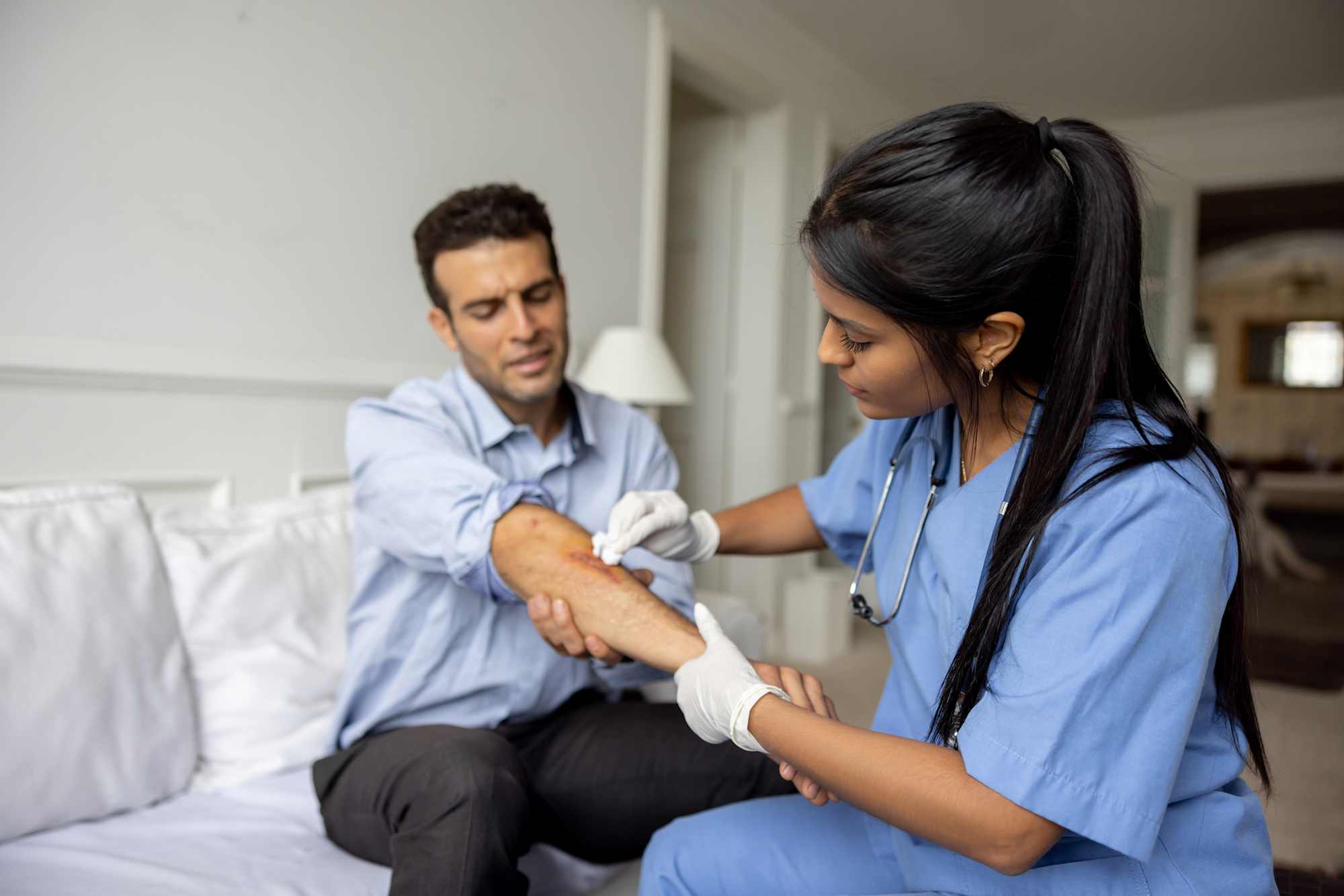
Why is Wound Care Specialist Training Important?
Wound care is a necessary element of health care that calls for specialized skills and knowledge. Whether you're participating in basic wound care training or advanced nursing wound care training, recognizing the subtleties can substantially affect individual outcomes.
Importance of Specialized Training in Wound Care
- Improved Individual Outcomes: Appropriately educated specialists can decrease infection prices and accelerate healing. Cost-Effectiveness: Reliable wound monitoring reduces the demand for considerable medical therapies down the line. Enhanced Expert Credibility: A professional professional imparts confidence amongst patients and colleagues alike.
Wound Treatment Training Courses Available
There are numerous sorts of programs readily available:
Basic Injury Care Training Advanced Injury Care Management Nursing Wound Care Training Complex Wound Monitoring TechniquesThese programs are designed to equip doctor with practical abilities in addition to theoretical knowledge.
The Duty of Nurses in Wound Care Management
Nurses play an essential function in administering wound care therapies efficiently. Their duties usually consist of analyzing wounds, establishing therapy strategies, and enlightening people about self-care practices.
Wound Care Training for Nurses
Nursing programs increasingly incorporate modules focused particularly on wound care management:

- Understanding Makeup & & Physiology Related to Wounds Infection Control Practices Patient Education and learning Strategies
Benefits of Specialized Nursing Injury Treatment Training
Specialized training enhances nurses' competencies, enabling them to:
Identify complications early. Implement evidence-based practices. Foster much better interaction with various other health care professionals.Basic Ideas in Chronic Wound Care Management
Chronic injuries present distinct obstacles due to their prolonged recovery times and sensitivity to infection.
What Comprises a Persistent Wound?
A chronic injury does not advance through the typical phases of healing within an expected timeframe-- generally longer than three months-- and might require customized treatments like sophisticated dressings or medical interventions.
Common Kinds of Chronic Wounds
Diabetic Ulcers Pressure Injuries Venous Leg UlcersUnderstanding these types permits practitioners to tailor their management strategies effectively.
Complex Injury Management Techniques
Managing complex wounds needs progressed skills and comprehensive assessments.
Advanced Evaluations for Facility Wounds
Accurate analysis forms the foundation of reliable therapy strategies:
- Size Measurement Exudate Analysis Surrounding Skin Assessment
Intervention Strategies for Complicated Wounds
Debridement Techniques Compression Therapy Advanced Dressings SelectionThese techniques ought to be part of any type of comprehensive training program aimed at improving specialists' abilities in facility injury situations.
The Importance of Evidence-Based Technique in Injury Treatment Management
Evidence-based practice (EBP) includes making medical choices based upon rigorous study findings instead of anecdotal proof or custom alone.
Integrating EBP into Training Programs
Courses must instruct individuals just how to examine current literature seriously and use searchings for within medical settings successfully:
- Utilizing Professional Guidelines Keeping Current with Study Developments Engaging in Continual Expert Development
What Are Some Evidence-Based Resources?
Cochrane Reviews National Standards Clearinghouse Peer-reviewed JournalsThese resources supply vital understandings right into best practices in injury care management.
FAQ Section
1. What is included in a regular wound care specialist training program?
A normal program consists of makeup education pertaining to injuries, assessment techniques, infection control measures, clothing choice procedures, and client education and learning methods customized in the direction of chronic conditions under NDIS standards.
2. Just how does NDIS influence injury care practices?
NDIS sets forth standards guaranteeing that individuals get customized assistance permitting practitioners to integrate tailored approaches while adhering to strict quality assurance measures.
3. That need to consider taking a wound care training course?
Healthcare specialists consisting of nurses, allied health personnel, and even caretakers curious about enhancing their competence level relating to persistent wounds would gain from such courses.
4. What's the difference in between basic wound care training and advanced courses?
Basic programs normally cover essential principles while advanced training courses delve much deeper into specialized strategies for taking care of complicated instances effectively.

5. Are on the internet training courses offered for injury treatment training?
Yes! Several organizations currently offer versatile on the internet choices catering towards different learning designs while guaranteeing that all needed competencies are satisfied according to current requirements like those established by NDIS guidelines.
6. What qualifications do I need before registering in nursing wound treatment training?
Generally speaking; having a nursing degree-- either registered or signed up-- is necessary prior to going after specialized training programs concentrated particularly on injury management.
Conclusion
Integrating NDIS criteria right into your wound care expert training is not just valuable; it's essential for delivering top notch patient-centered services within Australia's healthcare structure today! With detailed education and learning programs that stress both fundamental understanding along with advanced innovations-- doctor can position themselves at the forefront of this vital field!
By focusing on private demands while maintaining conformity with advancing industry standards-- we make sure optimal end results both clinically as well as directly-- for those entrusted under our specialist oversight!